
Destination Contexts

A place is seen quickly, but understood slowly.

The first thing you see in a place is never the thing that matters most. It is the easiest to photograph, to describe, to sell — and for that very reason, the most misleading.

Reading a context well begins with asking what changes depending on the hour and the day — then distinguishing those who live there every day from those who merely pass through; noticing what is absent; and, finally, weighing the narrative told about a place against the experience of actually moving through it.
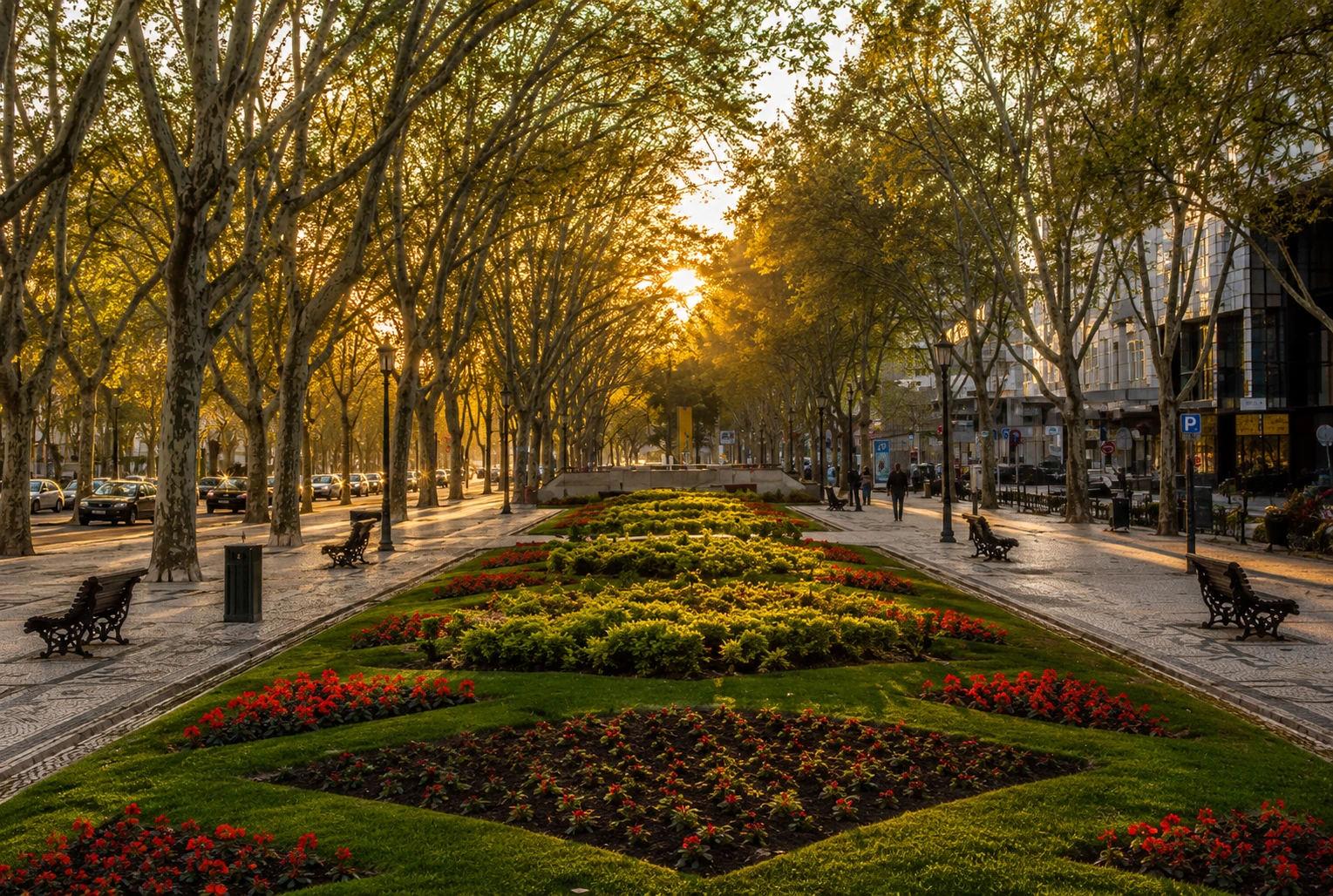
Tree-lined avenue in Lisbon, late afternoon light
The territories

Each territory is more than a location. It is a different way of building a life.

Different places, different answers to the same question: what kind of life can be built here. None is more correct than the others — only more or less like the one already being sought.

Reading a context well is not simply understanding a place. It is grasping the culture a place belongs to — and discovering whether that way of life belongs to us too.

These readings grew from the practice of our representation work — and continue, today, to inform it.

Discover Private Residential Representation